How Home Care Providers Australia Can Boost Your NDIS Plan Monitoring and Support
Wiki Article
The Growing Need for In Home Care Givers: Factors Families Choose Expert Treatment Over Conventional Facilities
The increasing preference for at home caretakers over standard centers is a significant pattern reshaping the landscape of elder care. Households are drawn to the advantages of personalized treatment that lines up with individual demands and choices, enabling senior citizens to keep a feeling of autonomy in a familiar atmosphere. This change also highlights the financial and emotional considerations that influence decision-making. As we discover the myriad elements contributing to this growing demand, the implications for both family members and caregivers become increasingly evident. What does this mean for the future of caregiving?Personalization of Treatment
Customization of treatment in home caregiving is important for satisfying the special demands of each individual (in home caregivers). This technique makes certain that treatment strategies are customized to the particular needs of the individual, considering their medical history, personal preferences, and lifestyle. By concentrating on the person's distinct scenarios, caregivers can cultivate a feeling of dignity and autonomy, which is typically doing not have in even more institutionalized setups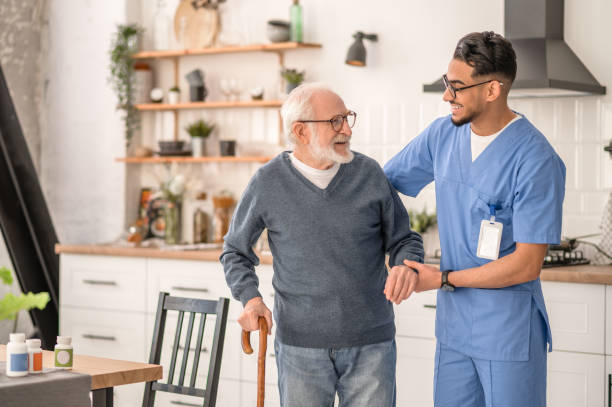
Home caregiving permits for constant monitoring and modification of care methods, making certain that adjustments in health and wellness standing or individual choices are immediately dealt with. Ultimately, personalized treatment in home settings substantially adds to the general well-being of customers, making it an essential element of contemporary caregiving techniques.
Comfort of Home Atmosphere
The convenience of a home setting plays an essential duty in the performance of home caregiving. Many individuals, specifically senior citizens, experience increased stress and anxiety and anxiousness when put in unknown settings such as typical treatment centers. Home caregiving supplies a familiar environment, filled up with individual valuables, cherished memories, and the feeling of safety and security that originates from remaining in one's very own area. This knowledge can considerably boost emotional wellness, which is crucial for recuperation and general health and wellness.Additionally, the home atmosphere enables for a customized approach to caregiving, fitting specific choices and regimens. Family members can create an environment that mirrors their liked one's way of living, ensuring that care is provided in a manner that really feels all-natural and comfortable. This tailored setting encourages better interaction and interaction in between customers and caretakers, fostering count on and connection important for efficient treatment.
In addition, the convenience of home can help with social connections, as family participants and close friends can see more easily, offering vital psychological assistance. ndis support coordinator. Overall, the home atmosphere not only assists to preserve self-respect and freedom yet also adds to a better of treatment, making it a recommended choice for families looking for specialist caregiving options

Enhanced Self-reliance for Elders
Home caregiving not just gives comfort but also promotes boosted freedom for elders. Unlike traditional centers, at home treatment allows elders to preserve their day-to-day routines and take part in acquainted activities within their own atmosphere. This autonomy is essential for their emotional health and overall top quality of life.In addition, at home caretakers can adjust their services to cater particularly to the one-of-a-kind requirements of each senior, advertising a greater sense of control. This adaptability ensures that senior citizens can appreciate their hobbies, mingle with family and buddies, and stay active in their areas, further improving their feeling of independence.
Eventually, at home caregiving not just addresses the physical needs of elders but additionally equips them to lead satisfying lives, making it a progressively preferred choice for family members looking for the very best treatment solutions for their enjoyed ones.
Cost-Effectiveness of In-Home Care
In-home treatment uses a cost-effective option to traditional nursing centers, enabling households to give top quality support for their loved ones without sustaining exorbitant costs. The costs connected with assisted living facility can be overwhelming, often surpassing $100,000 yearly, which can drain pipes funds quickly. In comparison, in-home treatment solutions normally charge on a per-visit or hourly basis, making it possible for family members to customize treatment strategies according to their budget plan and particular demands.Additionally, in-home treatment eliminates additional costs connected with facility living, such as area, transportation and board, and numerous administrative fees. Households can pick to involve caregivers only when required, potentially reducing overall expenses. A substantial advantage of at home treatment is the ability to keep personal routines, which can contribute to better emotional well-being and reduce the requirement for expensive medical treatments resulting from abrupt way of life modifications.
Insurance protection, including lasting treatment insurance policy, usually expands to in-home care solutions, additionally enhancing economic availability (ndis support coordinator). Overall, the cost-effectiveness of in-home treatment not just eases the economic worry on family members yet likewise advertises a more customized approach to care that straightens with private preferences and needs
Building Stronger Household Connections
Giving treatment in a familiar environment cultivates deeper family members links, permitting enjoyed ones to actively join the caregiving process. At home care develops opportunities for families to involve meaningfully with their elderly or handicapped relatives, promoting psychological bonds that can be challenging to achieve in institutional settings. The presence of expert caretakers enables family members to concentrate on their relational functions instead than being burdened by the physical needs of care.In addition, at home care allows families to keep their cherished routines, which can reduce sensations of anxiety and disorientation commonly related to relocation to care facilities. Shared meals, acquainted surroundings, and the convenience of home supply a feeling of security that boosts health and fosters open communication.
Families can collaborate with caregivers to establish tailored treatment strategies that reflect the individual choices and requirements of their liked ones. This joint approach not just empowers the senior however additionally strengthens the family unit, as members share responsibilities and support each other via tough times. Inevitably, at home treatment cultivates a nurturing environment where relationships can thrive, boosting the top quality of life for both caretakers and receivers.
Conclusion
The increasing choice for in-home caregivers highlights a significant change in exactly how families come close to elderly care. Individualized treatment plans, the convenience of familiar surroundings, boosted self-reliance for seniors, and cost-effectiveness jointly add to this fad. Furthermore, the participation of relative in the caregiving procedure promotes more powerful links and assistance networks. As these aspects align, at home care becomes a compelling alternative to standard centers, eventually advertising the wellness and top quality of life for seniors.
Family members are attracted to the advantages of customized treatment that straightens with individual requirements and choices, permitting seniors to maintain a sense of freedom in an acquainted environment.In-home care uses a cost-effective alternative to standard nursing centers, permitting family members to ndis plan manager provide quality support for their liked ones without sustaining inflated costs. In comparison, at home treatment solutions typically charge on a hourly or per-visit basis, allowing households to tailor care plans according to their budget plan and certain requirements.
At home care produces chances for households to engage meaningfully with their elderly or disabled loved ones, advertising psychological bonds that can be hard to attain in institutional setups.The raising choice for at home caretakers highlights a significant shift in how families come close to elderly care.
Report this wiki page